


Aerial Fire fighters in action in Laggala

Aug 29 2011


Two Bell 212 helicopters from No. 7 Squadron stationed at SLAF Base at Hingurakgoda were deployed this afternoon (01st August 2011) around 3pm to assist in retarding the spread of a major forest fire which erupted in the Laggala forest area close to Wilgamuwa in the Matale District.

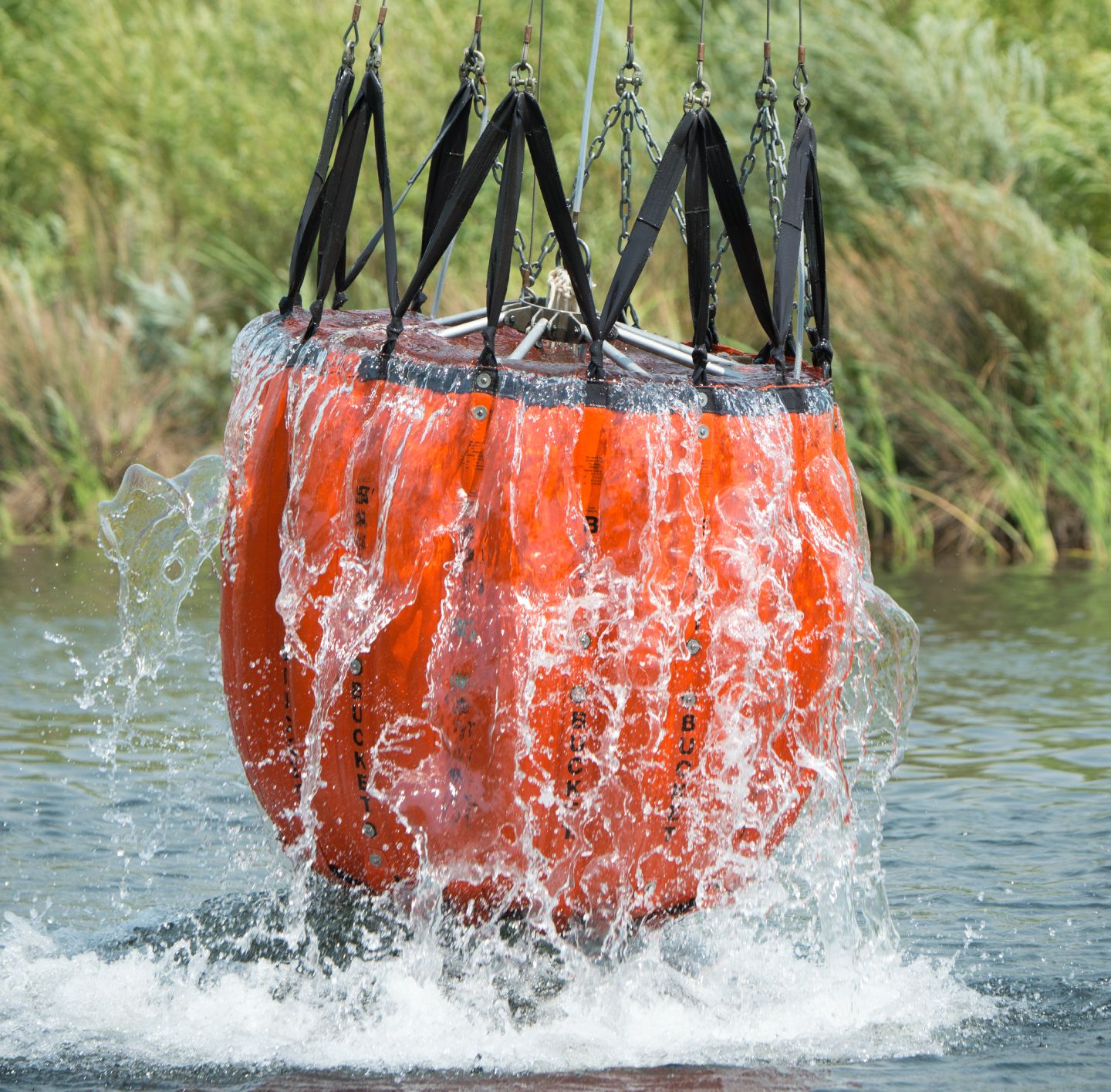
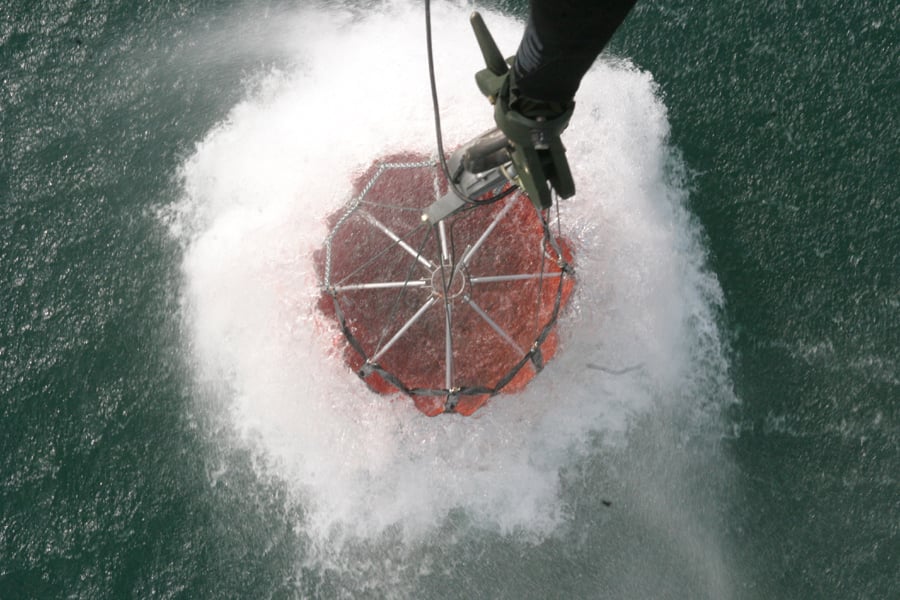
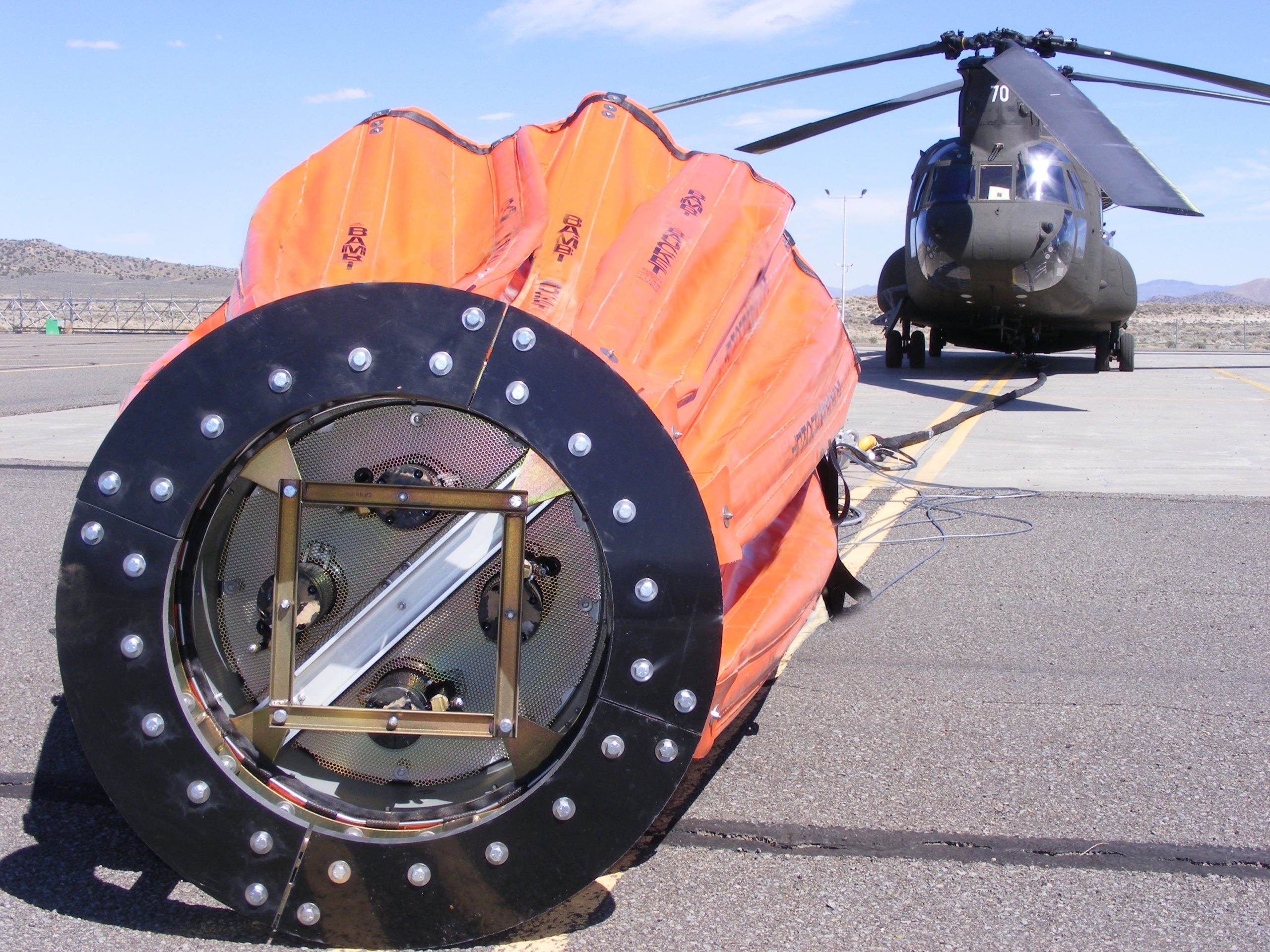
Using water from an adjacent tank, the helicopter crew of the first Bell 212 battled the fire with the aid of its underslung ‘Bambi bucket’ flying 6 consecutive shuttles and limited the spread of the raging flames.
On a request made by the Disaster Management Center, SLAF pilots Squadron Leader Chamila Hiripitiya and Flight Lieutenant Dumidu Marasinghe deployed to the area. The fire had spread very quickly at the base of the mountain range which made the operation of fighting the fire a tricky business as it was difficult to maneuver the helicopter along the mountain slope. However this fire had to be curtailed, as, had it reached the nearby ‘Nagolla’ town the consequences would have been disastrous.  The pilots had to fly 7 km from the scene of the fire to obtain water from a tank which was itself an arduous task as the water levels in the tank were also depleting. 
Aug 29 2011

If You Can't Stand the Heat...

Jul 20 2011
Controlling a raging forest fire or an unrelenting wildfire is a task that few pilots are capable of undertaking. James Careless finds out what it takes to be one. Click on the photo below to read a latest article from RotorHub Magazine.

Jul 20 2011

NC Forestry Down To 1 Pilot To Fight Wildfires

Jun 6 2011

DARE COUNTY, N.C. -- After a month, a fire in eastern North Carolina is still burning strong.

More than 45,000 acres have already been burned up in this mostly rural area of Dare County.


Jun 6 2011

Firefighters get helicopter help battling brush fires

Jun 5 2011

 
VOLUSIA COUNTY -- Next to water, helicopters known collectively in Volusia County as Air One, are probably the most important piece of equipment firefighters have.
 
"We do bambi bucket operations. We do law enforcement, which is our primary job. We also do EMS," said Todd Whaley, helicopter pilot.
 
Jun 5 2011

Fire Crews Battle Blazes in Sutherland

May 4 2011

Firefighters have warned of a continuing "severe" risk of grass fires after battling to bring a series of blazes under control in the Highlands.
 
Over the past week crews from Highlands and Islands Fire and Rescue Service (HIFRS) have attended 60 wildfires.
 
May 4 2011

Crews continue to battle wild fires across Scotland

May 3 2011

Hundreds of firefighters are continuing to battle wild fires which have broken out across the north of Scotland.

Earlier, a fire closed the A82 between Bridge of Orchy and Tyndrum in Argyll for about two hours leading to tailbacks in both directions.

Elsewhere, a boat was used to get firefighters to a remote location affected by another wild fire.

May 3 2011

Efforts to Contain Extensive Gorse Fires

May 3 2011

Firefighters in a number of counties are tonight tackling gorse fires in an effort to prevent flames from spreading further.

High winds and dry conditions have been making the task more difficult.

Units from the Offaly Fire Service are tackling two large fires that have spread onto Bord na Móna lands in the county tonight.
 
May 3 2011

Columbia Helicopters Dispatches Second Helicopter to Texas Fires

Apr 22 2011

Columbia Helicopters has dispatched a second heavy-lift helicopter to assist in battling the extensive wild fires burning throughout Texas. The Columbia 107-II helicopter departed from the company’s headquarters Thursday morning, and should arrive in Abilene, Texas on Friday.


The second aircraft joins another Columbia 107-II helicopter that has been fighting fire in Texas since February. Both of the company’s helicopters join a growing fleet of aircraft currently dedicated to the Texas fires.

“We know that Texas is now experiencing one of the worst fire seasons in recent history,” said company President Michael Fahey. “Our crews will do everything they can to support efforts to extinguish these fires.”

Apr 22 2011

Global BC News: Bambi Bucket in Japan

Mar 13 2011

CTV News: B.C. innovation helping to douse Japanese nuclear reactors

It was originally meant to fight forest fires, but an innovation from a B.C.-based company is being used by the Japanese military to douse water on the country's dangerously overheated nuclear reactors.

Helicopters are using huge fabric buckets to pick up thousands of litres of water at a time on runs from the Pacific Ocean to the Fukushima Daichi reactors -- buckets designed by Delta-based SEI Industries.

Mar 13 2011

Burned from Above

Dec 9 2010

By Leigh Barratt

The development of aerial ignition devices was a major step in the use of controlled burns throughout the Canadian logging industry.

In the early 1960s in British Columbia, following an increase in logging and cutblock, or clearcut, areas, it became apparent that a more efficient, cost-effective and safer method of controlling fire on the land was needed. Using fire to reduce hazard, remove fuel ahead of fire, prepare sites for reforestation and modify vegetation for wildlife enhancement was recognized as a valuable tool. However, to achieve these goals, the tools and techniques to pursue them needed to be safe, efficient and effective.

The challenges were many because Canada had limited staff with burn experience. Wildlife enhancement areas were large, and logging cutblocks were getting larger. The Interior of British Columbia was rapidly expanding logging operations, but the terrain and fuels were much different from the coasts where most logging had traditionally taken place. New techniques and equipment were needed for burning operations.

In 1966, three Australians who worked for the government's research group — Baxter, Pacham, and Peet — developed and used the first ever aerial ignition device, or AID. The process consisted of using a pharmaceutical vial that contained potassium permanganate powder, manually injecting glycol into that vial and tossing it out the window of a fixed-wing aircraft into the designated burn area. The two chemicals mixed, and a delayed exothermic reaction occurred, usually within 15 to 45 seconds, depending on climatic conditions.

Dec 9 2010